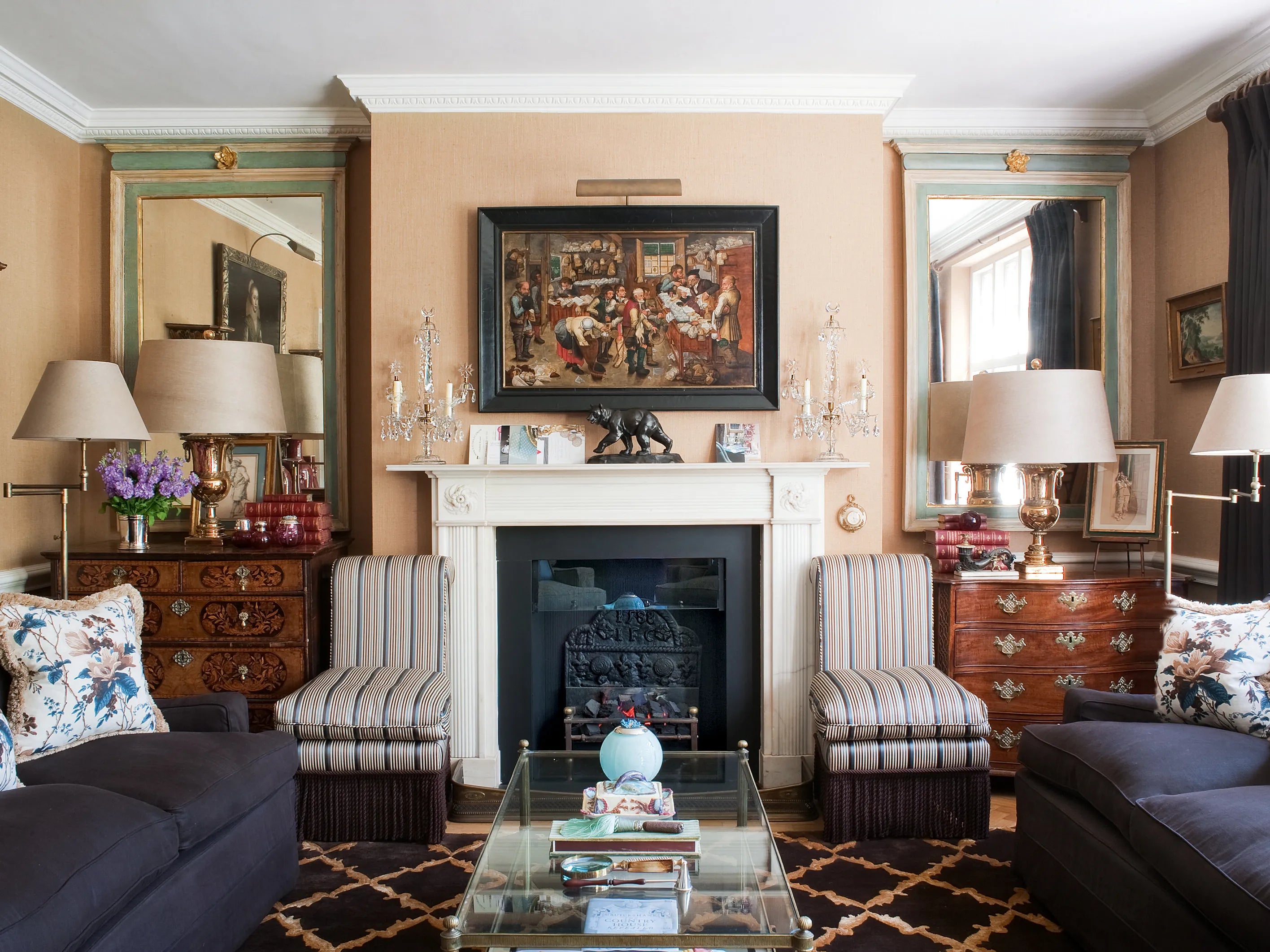
Lighting for your Interior Design Projects
Lighting is one of the most important elements of successful interior design. The right lighting scheme can transform a room, creating atmosphere, highlighting architectural details and improving how a space functions throughout the day. From ambient and task lighting to statement chandeliers and decorative table lamps, understanding the different types of lighting is essential when designing a beautiful and practical home.
In this guide, we explore the key lighting techniques used by professional interior designers, explain where each type of lighting works best, and share examples from Paolo Moschino interior design projects.
Why is lighting important in interior design?
Lighting is an extremely important aspect of interior architecture. Good lighting provides a warm, inviting and functional atmosphere to any space. Here you will find our selection of luxurious and high-end lights and lamps that will enhance any room. Take a look at our collection – All Lighting, Cordless, Ceiling Lamps, Table Lamps, Standing Lamps, Wall Lamps, Other Lighting, and Lamp Shades.

Types of Lighting
There are five main interior design lighting groups that should always be considered when planning a lighting scheme. Understanding each type of lighting helps create a balanced and effective interior, combining functionality with atmosphere. The primary categories are general, ambient, mood, task and accent lighting.
General Lighting
General lighting forms the foundation of any lighting scheme and refers to the overall illumination throughout a room. This type of lighting is primarily functional rather than decorative, ensuring that a space is comfortably lit for everyday use. General lighting is usually delivered through overhead ceiling fixtures and can often be controlled with dimmer switches to adapt to changing daylight levels and different occasions.

The most common example of general lighting is a central pendant light. Luxury chandeliers, for example, make excellent visual statements. However, they should always be complemented by additional lighting layers, as relying solely on a central light source can create harsh shadows and leave a room feeling flat.

Ambient Lighting
Ambient lighting shares many characteristics with general lighting, but its primary purpose is to create a comfortable atmosphere throughout a room. Ceiling lamps and wall lamps are often connected to dimming systems, allowing the light levels to be adjusted according to the occasion. For example, lower lighting levels are often preferred when entertaining or creating a more relaxed setting.
Because ambient lighting is softer than general lighting, it avoids creating harsh shadows and contributes to a more welcoming environment. Well-designed ambient lighting helps establish the mood of a room and makes spaces feel more comfortable and inviting.
Task lighting is closely related and is used for activities that require more focused illumination, such as reading, writing or cooking. Table lamps and standing lamps are common examples, providing concentrated light exactly where it is needed.

Mood Lighting
Mood lighting helps create an inviting atmosphere by introducing pools of soft light that reduce the shadows created by general lighting. It is often positioned closer to eye level, making it important to use shades and diffusers that conceal glare and produce a softer, more comfortable glow.

Portofino Garden & Guest House
Accent lighting performs a complementary role by highlighting specific areas, artwork, architectural details or decorative objects. It helps draw attention to focal points within a room and prevents important features from becoming lost in under-illuminated spaces.

Our talented team of designers in the Paolo Moschino Design Studio use a wide range of lighting techniques across residential and hospitality projects. We hope these examples provide inspiration for your own interiors and demonstrate how thoughtful lighting can completely transform a space.
Downlighting
Downlighting is one of the most widely used lighting techniques in interior design and is commonly delivered through ceiling fixtures, spotlights and recessed fittings. While highly practical, downlighting can create unflattering shadows when used alone, which is why it should be balanced with softer ambient and accent lighting.

Wall sconces are an excellent example of downlighting used effectively. They can illuminate hallways, create atmosphere for entertaining, provide practical bathroom lighting and enhance architectural details throughout a home.
Uplighting
Uplighting offers a softer alternative to downlighting. By directing light upwards towards ceilings and walls, it creates a gentle reflected glow that can make rooms feel larger, brighter and more welcoming.

Wall Washing
Wall washing is a lighting technique designed to bathe a wall evenly with light. It is particularly effective in living rooms, dining rooms, bathrooms and bedrooms, where it can emphasise architectural features while creating a softer and more sophisticated atmosphere.

Wall Grazing
Wall grazing is similar to wall washing but is designed to highlight texture rather than create an even spread of light. It works particularly well on stone, brick, timber panelling and other textured surfaces, drawing attention to architectural details and material finishes.
Perimeter Lighting
Perimeter lighting highlights the boundaries of a room, visually expanding the space and making it feel larger. This technique is particularly effective in smaller rooms where creating a sense of openness is important.

Portofino Garden & Guest House
Spot Lighting
Spotlights are one of the most versatile forms of lighting and can be used to highlight specific features, artwork, architectural details or decorative objects. Their flexibility allows them to work equally well in traditional, contemporary and transitional interiors.

Kitchen Lighting
The kitchen is one area of the home where practical lighting is essential. Pendant lights over kitchen islands, recessed downlights above worktops and under-cabinet lighting all contribute to a functional and visually appealing space.

Bathroom Lighting
Bathroom lighting requires careful planning. A successful scheme balances practical illumination for daily routines with softer lighting that supports relaxation. Combining ceiling lighting, wall lights and mirror lights ensures both functionality and atmosphere.

Dining Room Lighting
The dining room is one of the most important spaces for entertaining, and lighting plays a crucial role in setting the atmosphere. A well-designed scheme should combine practicality with elegance, ensuring the room feels welcoming whether hosting a formal dinner or a casual family gathering.

A sculptural chandelier or statement pendant above the dining table creates a natural focal point while adding depth and character to the room. Spotlights directed towards the table help draw attention to the centre of the space, while wall lights and candles introduce softer layers of illumination that enhance the overall ambience.
Bedroom Lighting
Bedroom lighting should strike a balance between functionality and comfort. Bright lighting is useful during the day, while softer, layered lighting helps transform the room into a relaxing sanctuary in the evening.

Dimmable lighting, bedside lamps and discreet accent lighting work together to provide flexibility throughout the day. Warm light sources create a calming atmosphere, while statement ceiling fixtures and carefully positioned table lamps add character and visual interest.
Outdoor Lighting
Thoughtfully planned outdoor lighting extends the enjoyment of gardens, terraces and outdoor living spaces long after sunset. It can be used to highlight landscaping, improve safety and create a welcoming atmosphere for entertaining.

Portofino Garden & Guest House
Lanterns, hurricanes and decorative outdoor lighting can help create a warm and inviting setting. Solar-powered lighting is also an excellent option for adding atmosphere while keeping maintenance requirements low.
Creating the Perfect Lighting Scheme
Successful interior lighting is rarely achieved with a single fixture. The most beautiful and functional spaces combine multiple layers of light, including general, ambient, task and accent lighting, to create depth, flexibility and atmosphere.
Whether you are renovating a single room or planning a complete interior design project, carefully considering how each lighting layer interacts with the space will dramatically improve both its appearance and functionality. Thoughtful lighting highlights architecture, enhances furnishings and helps create rooms that feel comfortable at every time of day.
For further inspiration, explore our related guides: